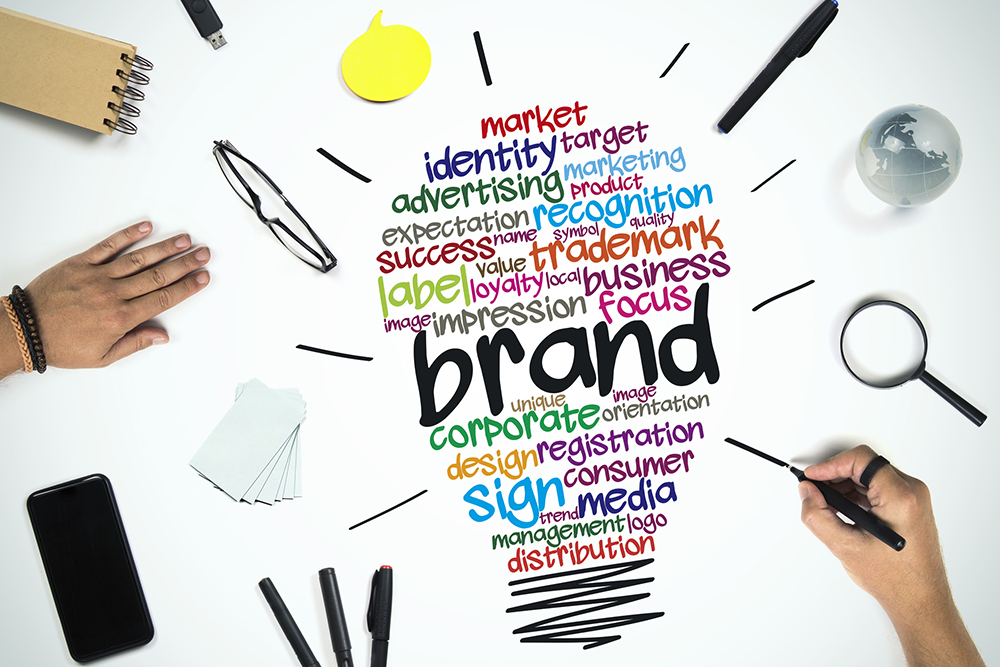
Branding and marketing courses are essential tools for anyone looking to elevate their business skills and enhance their career trajectory. These courses not only equip you with valuable knowledge about building a memorable brand but also teach you the marketing strategies that drive success in today’s competitive landscape. Whether you’re a budding entrepreneur or a seasoned professional, understanding the nuances of branding and marketing can open doors to new opportunities and innovations.
In this comprehensive guide, we’ll explore the significance of branding, the fundamentals of marketing, and the various courses available to help you acquire these vital skills. From online offerings to traditional degree programs, we’ll discuss the range of options that cater to different learning preferences and career goals.
Understanding Branding
Branding is more than just a logo or a catchy tagline; it encapsulates the essence of a business. It is the collective perception that customers have about a company, product, or service based on their interactions and experiences. A strong brand acts as a promise to the customer, signifying quality, reliability, and trustworthiness. The significance of branding in business is profound, as it influences customer loyalty, differentiates offerings in a competitive market, and ultimately drives sales and profitability.A successful brand identity comprises several core components that work harmoniously to create a unified image.
These components include the brand’s name, logo, colors, typography, and overall visual style, which together communicate the brand’s values and personality. Additionally, the brand’s voice and messaging are crucial in conveying its mission and connecting with the audience emotionally.
Core Components of a Successful Brand Identity
Understanding the core components of brand identity is essential for creating a memorable and impactful brand. These elements serve as the foundation upon which the brand builds its reputation and market presence.
- Brand Name: The name should be distinctive, easy to remember, and reflective of the brand’s values and purpose. A good example is “Apple,” which evokes a sense of simplicity and innovation.
- Logo: A visual symbol that represents the brand. It should be unique and versatile, allowing it to be used across various platforms without losing its essence. The Nike swoosh is a perfect example of a powerful logo that conveys movement and speed.
- Color Palette: Colors can evoke emotions and influence perceptions. For instance, blue often conveys trust and dependability, making it a popular choice for financial institutions.
- Typography: The choice of fonts contributes to the brand’s personality. A playful brand might use rounded, fun fonts, while a luxury brand may opt for elegant serif fonts.
- Brand Voice: The tone and style of communication that defines how a brand interacts with its audience can vary from formal to casual. For example, Wendy’s uses a humorous and sassy tone on social media, which resonates with a younger audience.
Role of Brand Storytelling in Connecting with Audiences
Brand storytelling is a powerful tool that helps businesses forge emotional connections with their audience. By narrating authentic stories that resonate with consumers, brands can build trust and loyalty. This storytelling can take place through various channels, including social media, advertising, and content marketing.
“Storytelling is the most powerful way to put ideas into the world today.” – Robert McKee
Effective brand stories often include elements such as origins, challenges, and values. For instance, TOMS shoe company’s narrative centers around its ‘One for One’ initiative, where a pair of shoes is donated for every pair purchased. This story not only highlights the brand’s commitment to social responsibility but also engages customers on a deeper level, encouraging them to be a part of a larger mission.In conclusion, understanding branding involves recognizing its significance in shaping perceptions and experiences.
Emphasizing the core components of brand identity and effectively utilizing brand storytelling can significantly enhance a company’s connection with its target audience, fostering loyalty and encouraging advocacy.
Overview of Marketing Fundamentals
Marketing serves as the backbone of any business, bridging the gap between products or services and their target audiences. Understanding the fundamentals of marketing is essential for creating effective strategies that resonate with consumers and drive business growth. This segment delves into the key principles of marketing, explores various marketing strategies adopted by successful brands, and underscores the significance of market research in crafting impactful marketing campaigns.
Key Principles of Marketing
The foundation of successful marketing rests on core principles that guide strategy development and execution. These principles allow marketers to create compelling campaigns that not only attract attention but also convert leads into loyal customers.
- Customer Orientation: Prioritizing customer needs and preferences is crucial. A customer-centric approach fosters loyalty and long-term relationships.
- Value Proposition: Clearly articulating the unique value a product or service offers sets brands apart in a competitive landscape.
- Integrated Marketing: Utilizing a cohesive strategy across various channels ensures consistent messaging and maximizes reach.
- Segmentation: Dividing the market into distinct groups allows for tailored marketing efforts that speak directly to specific consumer segments.
- Brand Positioning: Establishing a unique place in the market reinforces brand identity and helps consumers recognize the brand’s value.
Types of Marketing Strategies
Successful brands employ a variety of marketing strategies to engage their audiences and achieve their business goals. Understanding these strategies can provide insights into how brands build their presence and drive sales.
- Content Marketing: Creating valuable content that educates or entertains consumers helps build trust and authority in a given niche.
- Social Media Marketing: Leveraging platforms like Facebook, Instagram, and Twitter enables direct interaction with consumers and fosters community engagement.
- Influencer Marketing: Collaborating with influencers allows brands to reach niche audiences through trusted figures in their respective markets.
- Email Marketing: Targeted email campaigns nurture leads and encourage repeat purchases, utilizing personalized communication to enhance customer experience.
- Search Engine Optimization (): Optimizing online content to rank higher in search results increases visibility and drives organic traffic to the brand’s website.
Importance of Market Research
Market research is an indispensable part of developing effective marketing campaigns. It provides insights that drive decision-making and strategy formulation. Understanding the market landscape helps brands remain competitive and responsive to consumer needs.
- Identifying Consumer Trends: Continuous market research uncovers emerging trends, allowing brands to adapt their offerings accordingly.
- Competitor Analysis: Analyzing competitors’ strategies can reveal gaps in the market and opportunities for differentiation.
- Customer Feedback: Gathering insights from customers helps brands enhance products and services, ultimately increasing satisfaction and loyalty.
- Effective Targeting: Understanding demographics and psychographics enables precise targeting of marketing efforts for better engagement.
- Risk Reduction: By understanding market dynamics, brands can minimize the risks associated with new product launches or marketing strategies.
Types of Branding and Marketing Courses
In today’s competitive landscape, understanding the various types of branding and marketing courses available is essential for anyone looking to enhance their skills or pivot into this dynamic field. These courses provide the necessary tools and knowledge to help individuals and businesses establish effective brand identities and marketing strategies.The offerings in branding and marketing education can be divided into various categories, including online and offline courses, as well as certification and degree programs.
Each type has its unique advantages, catering to different learning preferences and career goals.
Variety of Course Offerings
Branding and marketing courses come in many forms, designed to suit various interests and professional objectives. The following list Artikels some popular types of courses available in the market:
- Fundamentals of Branding: These courses cover the basics of creating and managing a brand, including brand identity, positioning, and messaging.
- Digital Marketing: Focused on online strategies, these courses delve into , social media marketing, email marketing, and analytics.
- Content Marketing: Emphasizing the creation and distribution of valuable content, these courses teach effective storytelling and engagement techniques.
- Brand Management: These courses explore how to maintain and grow a brand over time, including reputation management and strategic planning.
- Market Research: Offering insights into consumer behavior, these courses guide learners on how to gather and analyze market data.
- Social Media Strategy: These courses provide comprehensive strategies for leveraging social media platforms to build brands and engage customers.
Online vs. Offline Course Offerings
When considering educational options in branding and marketing, understanding the differences between online and offline courses is crucial. Both formats offer distinct advantages that can cater to varying learning preferences and lifestyles.Online courses provide the flexibility to study from anywhere at any time, making them ideal for busy professionals or those with other commitments. They often come with a range of multimedia resources, such as videos, interactive quizzes, and community forums, allowing for a more engaging learning experience.
Furthermore, online learning typically allows for self-paced progression, letting students digest materials at their convenience.Offline courses, on the other hand, offer face-to-face interaction with instructors and peers, which can enhance networking opportunities and provide immediate feedback. The structured environment of a classroom can also foster a focused learning atmosphere, where students can benefit from real-time discussions and hands-on activities.
Certification Programs vs. Degree Programs
In the realm of branding and marketing education, certification programs and degree programs serve different purposes and cater to various career paths. Understanding the distinctions between these options can help individuals make informed decisions about their educational pursuits.Certification programs are generally shorter in duration and focus specifically on practical skills and knowledge. They are designed for individuals looking to boost their employability or specialize in a particular area of branding or marketing.
Many professionals opt for certifications to enhance their resumes, as they demonstrate a commitment to professional development and expertise in specific topics.In contrast, degree programs, such as Bachelor’s or Master’s degrees in Marketing or Branding, provide a comprehensive education that covers a broader range of subjects. These programs generally require a longer time commitment and offer a more in-depth exploration of marketing theories, research methodologies, and strategic thinking.
Graduates of degree programs often find themselves in qualified positions for higher-level roles in the industry, equipped with a robust understanding of marketing principles and practices.
“Investing in the right course can significantly enhance your career trajectory in branding and marketing.”
Key Skills Developed in Branding and Marketing Courses
Branding and marketing courses are designed to equip students with a wide range of skills essential for thriving in today’s competitive business environment. These skills not only serve as foundational knowledge but also enhance practical capabilities that are critical for effective brand management and marketing strategies. Understanding the significance of digital platforms in marketing, students learn to navigate various online channels, which is essential in reaching and engaging target audiences.
This digital literacy is crucial as the market increasingly shifts towards online interactions and e-commerce.
Essential Skills Gained Through Branding and Marketing Education
Branding and marketing education fosters a variety of skills that are integral to success in these fields. Key skills developed include:
- Strategic Thinking: Students learn to analyze market trends and craft strategies that align with business objectives.
- Creative Problem Solving: Courses encourage innovative thinking, enabling students to devise unique solutions to branding challenges.
- Analytical Skills: Understanding data analytics helps in assessing campaign performance and making informed decisions.
- Project Management: Students gain experience in managing campaigns from conception to execution, which includes budgeting, timelines, and coordination.
Importance of Digital Marketing Skills in Today’s Market
Digital marketing skills have become indispensable in today’s marketplace, where the majority of consumer interactions occur online. The rise of social media, search engine optimization (), and digital advertising demands that marketing professionals are well-versed in these areas. Digital marketing encompasses a variety of skills such as:
- Social Media Marketing: Leveraging platforms like Instagram and Facebook for brand promotion and engagement.
- Content Creation: Crafting compelling and valuable content that resonates with target audiences.
- and SEM: Techniques for improving brand visibility on search engines through organic and paid strategies.
- Email Marketing: Developing targeted campaigns to nurture leads and maintain customer relationships.
Enhanced Communication Skills Through Branding and Marketing Courses
Effective communication is at the heart of successful branding and marketing. Courses in this field emphasize the development of both verbal and written communication skills, essential for conveying brand messages clearly and persuasively. Key aspects of communication skills enhanced include:
- Public Speaking: Students often engage in presentations, honing their ability to communicate ideas confidently in front of an audience.
- Copywriting: Crafting succinct and impactful messages that attract and retain customer interest.
- Interpersonal Skills: Building relationships with clients and stakeholders through effective negotiation and collaboration techniques.
- Storytelling: Learning to create narratives around brands that resonate emotionally with consumers.
“Effective branding is not just about the product; it’s about the story you tell.”
Popular Platforms for Learning Branding and Marketing
The landscape of branding and marketing education has expanded significantly, providing learners with a plethora of options to enhance their skills. Whether you’re a newbie looking to understand the basics or an experienced professional aiming to sharpen your expertise, the right platform can make all the difference. Below, we highlight some reputable online platforms and traditional universities that offer specialized programs, along with a comparison of learning formats.
Reputable Online Learning Platforms
Numerous online platforms cater to individuals seeking to learn branding and marketing. These platforms offer a variety of courses, often designed by industry experts, which can be accessed from the comfort of your home.
- Coursera: Partnered with top universities and organizations, Coursera offers courses that range from basic marketing principles to advanced branding strategies.
- edX: Similar to Coursera, edX features courses from universities like Harvard and MIT, providing a solid foundation in both branding and marketing theories.
- Udemy: Known for its diverse course catalog, Udemy allows instructors to create courses, making it a rich resource for niche topics in branding and marketing.
- LinkedIn Learning: This platform focuses on professional development, offering courses that can help you enhance your marketing skills while also building your online presence.
- Skillshare: Skillshare focuses on creative skills and offers courses that emphasize practical branding tactics and marketing innovations.
Traditional Universities Offering Specialized Programs
For those who prefer an academic experience, various universities offer specialized programs in branding and marketing. These programs often provide a more structured learning environment and opportunities for networking.
- Columbia University: Offers a Master of Science in Marketing Science which emphasizes data-driven marketing strategies.
- Northwestern University: Known for its Kellogg School of Management, it provides an MBA with a focus on marketing and brand management.
- University of California, Berkeley: Offers a Marketing Certificate program that covers essential marketing concepts and strategies.
- New York University: The Stern School of Business provides a Marketing MBA with a strong focus on brand strategy.
Comparison of Learning Formats
When considering online courses versus traditional university programs, it’s important to understand the differences in learning formats. Each format has its benefits and appeals to different types of learners.
- Self-Paced Learning: Online platforms often provide the flexibility to learn at your own pace, allowing you to balance your studies with other commitments. This format is ideal for those who prefer to learn independently or have irregular schedules.
- Scheduled Classes: Traditional universities typically follow a structured schedule, providing a more immersive learning experience. This format may be beneficial for individuals who thrive in a classroom environment and appreciate direct interaction with instructors and peers.
“The choice between self-paced and scheduled learning should align with your personal learning style and professional commitments.”
Benefits of Taking Branding and Marketing Courses
Taking branding and marketing courses offers a multitude of advantages for individuals looking to advance their careers in these dynamic fields. These programs not only provide essential knowledge and skills but also open doors to networking and practical experience that can significantly enhance one’s professional journey.
Improvement of Career Prospects
Enrolling in branding and marketing courses can substantially improve career prospects by equipping individuals with the latest industry knowledge and skills. These programs teach vital concepts such as market analysis, consumer behavior, and strategic planning, which are crucial for career advancement.
“Employers often prioritize candidates with relevant educational backgrounds and specialized skills in branding and marketing.”
Career opportunities in this field can vary widely, from roles in digital marketing to brand management or advertising. By completing these courses, professionals can position themselves as competitive candidates in the job market, often leading to better job placements, higher salaries, and increased chances of promotions.
Networking Opportunities
Branding and marketing courses provide valuable networking opportunities that can be instrumental in career growth. Through interactions with instructors, peers, and industry professionals, participants can build connections that may lead to job offers, mentorship, or collaborative projects. These networking opportunities often occur in various formats:
- Industry workshops and seminars where students can meet professionals.
- Online forums and discussion groups that foster relationships among participants.
- Alumni networks that can provide support and guidance post-completion of the course.
Connecting with fellow students and industry experts helps create a robust professional network that can be beneficial throughout one’s career.
Enhancement of Practical Experience Through Projects
Hands-on projects and real-world applications are key components of branding and marketing courses. These elements not only reinforce theoretical knowledge but also allow students to gain practical experience.Participants can expect to engage in various practical activities, including:
- Case studies that simulate real-life marketing challenges.
- Group projects that involve developing marketing strategies for actual brands.
- Internships or cooperative education opportunities that provide direct industry exposure.
By working on these projects, students develop critical thinking, creativity, and problem-solving skills, making them more attractive to potential employers. In addition, the ability to demonstrate practical experience significantly enhances a resume and can set candidates apart in competitive job markets.
Designing a Personal Learning Path in Branding and Marketing
Creating a personalized learning path in branding and marketing can significantly enhance your skills and career prospects. This journey involves an understanding of where you currently stand, what skills you need, and how to effectively combine resources for maximum impact. A well-structured learning path will not only help you grasp theoretical concepts but also apply them in real-world scenarios.Assessing your current skills and identifying gaps is the first step in designing your learning path.
Begin by reflecting on your existing knowledge in branding and marketing. Consider using self-assessment tools or engaging in peer reviews to gain insights into your strengths and weaknesses. This evaluation will guide you in selecting the right courses that align with your career goals.
Steps to Create a Personalized Learning Journey
A methodical approach to structuring your learning path ensures a focused and efficient study experience. Here are the essential steps to follow:
1. Self-Assessment
Take stock of your current skills and experiences. List out the key areas in branding and marketing, such as digital marketing, content creation, or brand management, where you feel comfortable and where you need improvement.
2. Set Clear Goals
Define specific learning objectives. For instance, if you’re interested in digital marketing, you might set a goal to become proficient in and social media strategies within the next six months.
3. Research Courses
Look for courses that fit your identified needs. Platforms like Coursera, Udemy, or LinkedIn Learning offer a variety of options tailored to different skill levels.
4. Combine Learning Resources
Consider combining courses that complement each other. For example, pairing a course on branding fundamentals with one focused on digital marketing can provide a comprehensive understanding of how brands interact in the digital space.
5. Create a Timeline
Establish a realistic timeline for completing each course and stick to it. Accountability is key in maintaining momentum in your learning journey.
6. Engage with a Community
Join forums or groups related to branding and marketing. Engaging with others can provide support, motivation, and additional resources.
“Combining courses allows you to develop a multi-faceted view of branding and marketing, leading to deeper insights and practical applications.”
Examples of Combining Courses for Comprehensive Understanding
Combining courses strategically can deepen your grasp of branding and marketing concepts. For instance, consider these combinations:
Brand Strategy + Social Media Management
Understanding how to develop a brand strategy alongside mastering social media can enhance your ability to communicate your brand effectively online.
Content Marketing +
Learning about content marketing while simultaneously studying practices will equip you with the skills needed to create content that is both engaging and discoverable.
Consumer Behavior + Marketing Analytics
Studying consumer behavior helps you understand your audience, while marketing analytics allows you to measure the effectiveness of your strategies. Together, these courses prepare you to make data-driven marketing decisions.By thoughtfully designing your personal learning path, you can cultivate the necessary skills to excel in the dynamic fields of branding and marketing.
Case Studies of Successful Branding and Marketing Strategies
Branding and marketing are crucial components of any business strategy, serving as the foundation upon which customer relationships are built. By analyzing case studies of successful branding and marketing initiatives, we can glean valuable insights into effective tactics that resonate with audiences and drive results.Notable case studies highlight the innovative approaches companies have adopted to establish strong brands and execute successful marketing campaigns.
These examples not only showcase creativity but also demonstrate how theoretical concepts from branding and marketing courses can be applied effectively in the real world.
Successful Branding Case Studies
The importance of successful branding is exemplified through various case studies where companies have redefined their identities and market presence. Below are a few notable examples:
- Apple: The brand emphasizes simplicity and innovation, creating a loyal customer base that identifies with its lifestyle. Apple’s branding strategy focuses on premium quality and aesthetic appeal, which has made it a leader in the tech industry.
- Coca-Cola: Known for its consistent branding and memorable advertising campaigns, Coca-Cola successfully leverages nostalgia and emotional connection, underscoring its slogan “Open Happiness” that resonates globally.
- Nike: With the “Just Do It” campaign, Nike successfully positioned itself as a motivational brand. The campaign, along with endorsements from top athletes, transformed Nike into not just a sportswear brand but a symbol of athletic aspiration.
Exceptional Marketing Campaigns and Their Results
Marketing campaigns can significantly influence a company’s success. The following campaigns are noteworthy for their exceptional results, illustrating how informed strategies can lead to impactful outcomes:
- Old Spice’s “The Man Your Man Could Smell Like”: This campaign revitalized the Old Spice brand, leading to a 125% increase in sales. The humorous approach and social media engagement captured a younger audience effectively.
- Always’ “#LikeAGirl”: Focusing on gender stereotypes, this campaign generated widespread discussion and increased brand awareness, resulting in a 76% boost in brand favorability among the target demographic.
- Dove’s “Real Beauty”: This campaign challenged traditional beauty standards, and its approach led to a 700% increase in sales. The focus on authenticity made Dove a leader in the personal care market.
Comparative Table of Case Studies and Outcomes
To provide a clearer understanding of the impact these case studies have had on branding and marketing strategies, the following table compares different case studies and their corresponding outcomes:
| Brand | Campaign | Outcome |
|---|---|---|
| Apple | Innovative Product Launches | Increased brand loyalty and market share |
| Coca-Cola | Open Happiness Campaign | Strengthened emotional connection, sustained market presence |
| Nike | Just Do It | Enhanced brand identity, increased sales |
| Old Spice | The Man Your Man Could Smell Like | 125% increase in sales |
| Always | #LikeAGirl | 76% boost in brand favorability |
| Dove | Real Beauty | 700% increase in sales |
Effective branding and marketing strategies are not just about selling products; they are about creating connections that foster brand loyalty.
Future Trends in Branding and Marketing Education
The landscape of branding and marketing education is evolving at a rapid pace, influenced heavily by technological advancements and shifting consumer behaviors. As businesses seek innovative ways to connect with their audiences, educational institutions are adapting their curricula to prepare students for the future. Understanding these trends is essential for aspiring marketers and brand managers looking to remain competitive in a dynamic marketplace.Emerging trends in branding and marketing are largely driven by technological integration and the demand for adaptability.
As digital platforms continue to dominate, there is a growing emphasis on data analytics, artificial intelligence, and personalized marketing experiences. These elements are reshaping the skill set required for successful branding and marketing professionals.
Impact of Technology on Course Offerings
The integration of technology in branding and marketing education is profound, with institutions adopting various innovative methods for course delivery and content. Here are some key aspects:
- Online Learning Platforms: Courses are increasingly offered through online platforms, providing flexibility and accessibility to a global audience. This move has been accelerated by the pandemic, leading to a rise in hybrid learning models combining in-person and virtual elements.
- Interactive Learning Tools: Educational resources now include simulations, gamified learning experiences, and real-time data analysis tools, enabling students to engage with complex concepts in practical settings.
- AI-Driven Personalization: Some courses leverage AI to create personalized learning experiences, tailoring content to the individual needs and preferences of students, enhancing engagement and retention.
The role of technology also extends to the way branding and marketing concepts are taught. For example, the use of augmented reality (AR) and virtual reality (VR) in classroom settings allows students to experience marketing strategies in immersive environments, simulating real-world applications of their knowledge.
Predicted Skills in Demand
As the branding and marketing landscape continues to evolve, certain skills are becoming increasingly valuable. These skills reflect the changing demands of the industry and the importance of staying ahead of trends. The following skills are predicted to be in high demand in the coming years:
- Data Analysis and Interpretation: With the mounting importance of data-driven decision-making, the ability to analyze consumer data and derive actionable insights is critical for effective marketing strategies.
- Digital Marketing Proficiency: As businesses invest more in digital channels, expertise in , content marketing, social media, and email marketing will be essential for reaching target audiences efficiently.
- Strategic Thinking: The capacity to develop and implement comprehensive marketing strategies that align with organizational goals will be a key differentiator among professionals in the field.
- Creativity and Innovation: In an increasingly saturated market, the ability to think creatively and propose innovative solutions will be vital for standing out and engaging consumers effectively.
- Adaptability: The rapid pace of change in technology and consumer preferences demands marketers who can quickly adapt to new tools, platforms, and trends.
Given these trends, educational programs are likely to evolve further, incorporating case studies and experiential learning opportunities that reflect real-world challenges. As the industry continues to transform, staying informed about these developments will be crucial for anyone pursuing a career in branding and marketing.
Conclusive Thoughts
In conclusion, investing in branding and marketing courses is a strategic move for anyone eager to make a mark in their field. With the right education, you can develop the skills needed to craft compelling brand stories, execute effective marketing strategies, and adapt to evolving industry trends. So, take the plunge and start your learning journey today—it could be the key to unlocking your future success.
Detailed FAQs
What is the difference between online and offline branding courses?
Online courses offer flexibility and convenience, while offline courses provide face-to-face interaction and networking opportunities.
Are certifications in branding and marketing recognized by employers?
Yes, many employers value certifications from reputable institutions as they demonstrate specialized knowledge and commitment to professional growth.
How long do most branding and marketing courses take to complete?
Course duration varies widely, with some online courses taking a few weeks and degree programs spanning several years.
Can I switch careers after taking branding and marketing courses?
Absolutely! Many individuals transition into branding and marketing roles after completing relevant courses, leveraging their new skills for career advancement.
What are some common skills gained from these courses?
Students typically develop skills in digital marketing, brand management, communication, and strategic thinking.