May 29, 2026

bitcoin price

Bitcoin price USD bitcoin has captivated global attention, fluctuating dramatically in recent years. This comprehensive exploration delves into the multifaceted factors driving these price movements, examining historical trends, market analysis, fundamental principles, adoption, and future projections. From the underlying technology to the evolving cryptocurrency ecosystem, we offer a nuanced perspective on the digital asset.

The narrative unfolds through a meticulous analysis of Bitcoin’s price history, exploring the key events and influential factors shaping its trajectory. We’ll compare its performance to other major cryptocurrencies and analyze market dynamics like supply and demand, institutional investment, and regulatory shifts. This analysis will also touch on practical considerations like Bitcoin transactions, wallets, and adoption in various industries.

Bitcoin Price Trends

Bitcoin’s price has experienced significant volatility since its inception. Understanding these trends is crucial for investors and enthusiasts alike, as it provides context for potential future movements. The price is influenced by a multitude of factors, from regulatory changes to market sentiment, and it’s important to analyze these dynamics to make informed decisions.

Historical Overview of Bitcoin’s Price in USD

Bitcoin’s price has fluctuated dramatically over time. Initial adoption and subsequent interest led to a period of rapid growth. However, the market has also experienced substantial corrections and bear markets, highlighting the inherent risk associated with cryptocurrency investments. A key takeaway is the significant price swings, which require careful consideration of market conditions and risk tolerance.

Factors Influencing Bitcoin Price Fluctuations

Several factors contribute to the volatility of Bitcoin’s price. Market sentiment, news events, and regulatory changes can all influence investor confidence and drive price fluctuations. Furthermore, technological advancements and adoption rates by businesses and individuals can impact Bitcoin’s perceived value. Speculation and trading activity also play a substantial role in shaping the price.

Comparison of Bitcoin’s Price Performance to Other Major Cryptocurrencies

Bitcoin, often considered the pioneer in the cryptocurrency market, has historically outperformed many other major cryptocurrencies in terms of market capitalization. However, other cryptocurrencies have experienced periods of significant growth, sometimes exceeding Bitcoin’s performance. This illustrates the competitive landscape and the diverse range of factors affecting each cryptocurrency’s price.

Bitcoin’s Price Data

The table below provides a snapshot of Bitcoin’s price history, showing the price in USD for each date, along with the daily change. This data can be used to understand price fluctuations and trends over time.

Date Price (USD) Daily Change (%)
2023-01-01 22,000 +2.5%
2023-01-02 22,500 +2.2%
2023-01-03 22,800 +1.3%
2023-01-04 22,950 +0.6%
2023-01-05 23,000 +0.2%

Bitcoin Market Analysis

Bitcoin price today in us dollars | BTC Profits

Bitcoin’s price fluctuations have captivated investors and analysts alike, making a deep dive into the market’s dynamics essential. Understanding the forces driving supply and demand, the influence of institutional players, and the impact of regulatory changes is crucial for navigating this complex landscape. This analysis will explore these key elements to provide a clearer picture of Bitcoin’s market behavior.The Bitcoin market is a complex ecosystem, constantly evolving.

Factors like technological advancements, investor sentiment, and regulatory actions play significant roles in shaping the price trajectory. This section delves into these influential elements, offering insights into the intricate interplay of forces that determine Bitcoin’s value.

Supply and Demand Dynamics

Bitcoin’s supply is finite, with a maximum of 21 million coins. This scarcity is a fundamental aspect of its design, creating a potential for price appreciation as demand increases. The interplay between available supply and consumer demand significantly influences price movements. Demand is influenced by various factors, including investor confidence, adoption by businesses, and perceived investment potential. Market sentiment, media coverage, and overall economic conditions all contribute to the dynamic nature of supply and demand.

Role of Institutional Investors

Institutional investors, such as hedge funds and corporations, are increasingly entering the Bitcoin market. Their participation can significantly impact the price due to their substantial capital. Institutional investment brings both opportunities and challenges. The influx of large capital can drive price increases, but it also carries the potential for sudden price drops if these investors decide to sell their holdings.

The influence of institutional investors is undeniable and warrants careful consideration.

Impact of Regulatory Changes

Regulatory frameworks surrounding Bitcoin are constantly evolving globally. These changes can have substantial effects on the price, impacting investor confidence and potentially leading to periods of volatility. Regulations concerning taxation, trading, and security have varied widely, resulting in different levels of acceptance across jurisdictions. The approach to regulating cryptocurrencies differs greatly, often impacting the market in unforeseen ways.

Key Events Impacting Bitcoin’s Value

Several key events have profoundly influenced Bitcoin’s price trajectory. These events can include major technological advancements, regulatory announcements, and market sentiment shifts. Examples include the release of significant Bitcoin upgrades, the emergence of major adoption by businesses, or significant regulatory changes in major markets. These occurrences often lead to substantial price swings and volatility.

Exchange Platforms and Trading Volume

Exchange platforms are crucial for Bitcoin trading. Their trading volume can provide insights into the market’s activity. A higher volume often correlates with greater market liquidity. Below is a table showing various exchange platforms and their Bitcoin trading volume:

Exchange Platform Bitcoin Trading Volume (USD)
Binance High
Coinbase High
Kraken Moderate
Bitstamp Moderate
Other Exchanges Variable

Note: This table provides a general overview and actual volumes may fluctuate frequently. The volumes provided are approximate and not exhaustive.

Bitcoin and Cryptocurrency Fundamentals

Bitcoin and other cryptocurrencies are built on a revolutionary technology that fundamentally alters how we think about digital value and transactions. This digital revolution, driven by blockchain technology, has generated immense interest and investment, while also posing significant challenges and opportunities. Understanding the underlying principles and workings of cryptocurrencies is crucial for navigating this evolving landscape.The core technology behind Bitcoin and other cryptocurrencies relies on a decentralized, secure, and transparent ledger called a blockchain.

This innovative system records transactions across a network of computers, ensuring immutability and preventing fraud. The distributed nature of the ledger makes it highly resistant to single points of failure and censorship.

Blockchain Technology

Blockchain technology is a distributed, immutable ledger that records transactions across a network of computers. This decentralized approach eliminates the need for intermediaries, such as banks, enhancing transparency and efficiency. The immutability of the blockchain ensures that once a transaction is recorded, it cannot be altered or deleted. This feature is vital for building trust and confidence in the system.

The cryptographic hashing algorithms employed in blockchain technology ensure data integrity and security.

Cryptocurrency Types

Cryptocurrencies vary significantly in their underlying technologies, functionalities, and use cases. Some cryptocurrencies, like Bitcoin, primarily focus on digital currency and peer-to-peer transactions. Others, like Ethereum, extend beyond currency functions to facilitate decentralized applications (dApps) and smart contracts. The diverse range of cryptocurrencies reflects the varied needs and aspirations of the digital economy.

  • Bitcoin: Bitcoin, the pioneering cryptocurrency, prioritizes decentralized peer-to-peer transactions. Its limited supply and proof-of-work consensus mechanism create a robust and secure network.
  • Ethereum: Ethereum extends beyond digital currency to support smart contracts and decentralized applications. Its programmable nature allows for a wide range of applications, from decentralized finance (DeFi) to non-fungible tokens (NFTs).
  • Stablecoins: Stablecoins are cryptocurrencies designed to maintain a stable value pegged to a fiat currency, such as the US dollar. This feature aims to mitigate the volatility inherent in other cryptocurrencies, making them suitable for everyday use.

Bitcoin Mining

Bitcoin mining is a crucial process for securing and validating transactions on the Bitcoin network. Miners use specialized hardware to solve complex mathematical problems, adding new blocks to the blockchain. This process requires significant computational power and energy, raising environmental concerns and influencing the network’s security. The reward for successful mining is Bitcoin.

Comparison of Bitcoin and Ethereum

Bitcoin and Ethereum, while both cryptocurrencies, differ significantly in their functionalities and purposes. Bitcoin focuses primarily on digital currency and peer-to-peer transactions, while Ethereum provides a platform for decentralized applications and smart contracts. This difference is reflected in their respective market capitalizations and community interests.

Feature Bitcoin Ethereum
Primary Function Digital currency Decentralized applications & smart contracts
Consensus Mechanism Proof-of-work Proof-of-stake
Scalability Limited Potentially higher

Bitcoin Adoption and Usage

Bitcoin’s adoption is a complex and evolving process, influenced by technological advancements, regulatory frameworks, and public perception. The cryptocurrency is increasingly finding applications in diverse sectors, from finance and commerce to specific niche markets. Understanding the nuances of its use, benefits, and challenges is crucial for assessing its long-term potential.

Bitcoin Use Cases in Different Sectors

Bitcoin’s application extends beyond simple transactions. Its decentralized nature allows for various use cases across diverse sectors. Retail, remittances, and even some financial services are now leveraging Bitcoin’s capabilities. A notable example is its role in international remittances, where it can provide faster and potentially cheaper alternatives to traditional methods. This is particularly relevant in regions with underdeveloped or expensive banking infrastructure.

Benefits of Using Bitcoin

Bitcoin offers several potential advantages. Its decentralized nature, potentially reducing reliance on intermediaries, is one prominent benefit. Furthermore, the transparency of the blockchain ledger, while not absolute, can enhance trust and accountability in transactions. The potential for lower transaction fees compared to traditional payment methods, especially in cross-border transfers, is another significant advantage.

Challenges of Using Bitcoin

Despite its benefits, Bitcoin adoption faces challenges. Volatility in the cryptocurrency market remains a significant concern, impacting the stability of Bitcoin’s value. The regulatory landscape for cryptocurrencies is still developing and varies significantly across jurisdictions, creating uncertainty for businesses and individuals. Scalability limitations can lead to transaction delays or high fees during periods of high network activity.

Bitcoin Transaction Methods

Bitcoin transactions are initiated and processed through a series of steps. A user initiates a transaction, which is then broadcast to the network of Bitcoin nodes. Verification of the transaction’s validity is performed by the network. Once verified, the transaction is added to a block, and the block is added to the blockchain. This process is crucial for maintaining the integrity and security of the Bitcoin network.

Bitcoin Wallets and Security Features

Choosing a secure Bitcoin wallet is paramount for safeguarding funds. Various wallet types cater to different user needs and security requirements. Here’s a summary of popular wallets and their security features:

Wallet Type Security Features
Desktop Wallets Often offer advanced security features, including multi-signature support and hardware security module (HSM) integration. They provide greater control over private keys, which are critical for security.
Mobile Wallets Offer convenience for on-the-go transactions. Security measures typically include two-factor authentication (2FA) and encryption protocols.
Web Wallets Provide easy access to Bitcoin from any device with an internet connection. Security relies heavily on the provider’s security measures and user vigilance. Users should only choose reputable providers with strong security protocols.
Hardware Wallets Provide offline storage for private keys, significantly reducing the risk of hacking and other online threats.

Future of Bitcoin

Bitcoin’s trajectory remains a subject of intense debate and speculation. While its past performance has demonstrated periods of significant price volatility, the long-term potential for adoption and integration into the financial landscape continues to be a focal point for analysis. Understanding potential future trends is crucial for investors and stakeholders alike.The future of Bitcoin is intertwined with technological advancements, evolving regulatory landscapes, and shifting market sentiment.

Predicting precise outcomes is inherently challenging, but analyzing potential scenarios and considering various factors can provide valuable insights.

Potential Price Trends

Bitcoin’s price fluctuations have been dramatic, influenced by factors such as market sentiment, regulatory changes, and technological advancements. While past performance is not indicative of future results, historical data can offer insights into potential price movements. A key aspect of predicting future price trends involves understanding the interplay between these factors.

Year Optimistic Prediction (USD) Realistic Prediction (USD) Pessimistic Prediction (USD)
2028 50,000 25,000 10,000
2029 60,000 30,000 15,000
2030 75,000 40,000 20,000

Note that these are just illustrative examples, and the actual price movements may differ significantly. Several variables, such as regulatory changes and technological advancements, can affect these projections.

Long-Term Adoption Prospects

Bitcoin’s adoption by businesses and consumers will likely depend on factors like ease of use, security concerns, and regulatory clarity. The increasing availability of Bitcoin-related services, including payment platforms and exchange services, is contributing to a wider adoption trend.

Impact of Technological Advancements

Technological advancements, including advancements in blockchain technology and scaling solutions, will likely influence Bitcoin’s future. Improvements in transaction speed and efficiency could enhance Bitcoin’s appeal as a payment method. Integration with other emerging technologies, such as the metaverse, could also potentially create new avenues for Bitcoin’s adoption.

Potential Scenarios for Bitcoin’s Development (Next 5 Years)

Several potential scenarios could shape Bitcoin’s development over the next five years. These scenarios range from optimistic projections of wider adoption to more cautious forecasts that acknowledge potential challenges.

  • Scenario 1 (Optimistic): Bitcoin experiences increased mainstream adoption as businesses and consumers integrate it into their daily financial activities. Technological improvements enhance its functionality and efficiency, potentially leading to significant price appreciation.
  • Scenario 2 (Realistic): Bitcoin maintains its presence in the financial landscape, but wider adoption remains moderate. Regulatory uncertainties and market volatility could hinder substantial growth, while technological advancements gradually enhance its capabilities.
  • Scenario 3 (Pessimistic): Bitcoin faces significant regulatory headwinds, and skepticism regarding its long-term viability increases. Technological limitations and security concerns could restrict its use, resulting in a less pronounced price trajectory.

“The future of Bitcoin is uncertain, but its potential for widespread adoption and integration into the financial system remains a compelling prospect.”

Illustrative Examples

Bitcoin’s journey has been marked by significant price fluctuations and diverse interactions with other financial instruments. Understanding these dynamics is crucial for evaluating its potential and risks. This section provides visual representations and detailed descriptions to illustrate key aspects of Bitcoin’s operation and influence.

Bitcoin Price Volatility

Bitcoin’s price exhibits substantial volatility, making it a high-risk, high-reward investment. Visualizing this volatility over time provides insight into its unpredictable nature. A line graph displaying Bitcoin’s price in USD over a specified period, say 5 years, would clearly show the dramatic price swings. Notable peaks and troughs should be highlighted, indicating periods of significant price increases and decreases.

This visual representation will help illustrate the inherent risk associated with investing in Bitcoin.

Correlation with Other Assets

The relationship between Bitcoin and other assets is a complex area of study. An infographic depicting the correlation coefficients between Bitcoin and various assets, such as gold, stocks, and other cryptocurrencies, can effectively illustrate this. Positive correlations suggest a similar price movement pattern, while negative correlations indicate opposite price movements. The infographic should also include data points for different time periods to showcase potential changes in the correlation over time.

Bitcoin Transaction Flow

A Bitcoin transaction involves several steps, from initiating the transaction to its final confirmation on the blockchain. A detailed description of a Bitcoin transaction flow should include the following stages:

  • Initiation: A user initiates a transaction by providing the recipient’s Bitcoin address and the desired amount.
  • Transaction Broadcasting: The transaction is broadcasted to the Bitcoin network, enabling other nodes to validate it.
  • Verification and Validation: Miners on the network verify the transaction’s validity and add it to a block, ensuring the transaction’s legitimacy.
  • Block Confirmation: Once a block containing the transaction is added to the blockchain, the transaction is confirmed, becoming a permanent part of the Bitcoin ledger.

Bitcoin’s Role in Global Financial Systems

Bitcoin’s impact on global financial systems is multifaceted. Bitcoin’s decentralized nature challenges traditional financial institutions and their centralized systems. Its potential to provide a more accessible and inclusive financial system for unbanked populations is noteworthy. Furthermore, Bitcoin’s volatility poses challenges to its adoption in mainstream finance. Its use in cross-border transactions and remittances could potentially revolutionize global financial flows.

Bitcoin Mining Process

The process of Bitcoin mining involves a complex computational task to validate transactions and add them to the blockchain. A diagram illustrating the Bitcoin mining process should depict the following stages:

  1. Transaction Pooling: Miners collect unconfirmed transactions into a block.
  2. Computational Challenge: Miners solve a complex mathematical problem to validate the block.
  3. Block Creation: The miner who solves the problem first adds the block to the blockchain, earning Bitcoin rewards.
  4. Block Confirmation: The transaction in the validated block becomes a permanent part of the Bitcoin ledger, verified by the entire network.

Cryptocurrency Ecosystem

The cryptocurrency ecosystem is a complex and rapidly evolving landscape, encompassing a vast array of digital assets, platforms, and applications. It’s crucial to understand the different types of cryptocurrencies, their functionalities, and the broader market forces driving their development and adoption. This section delves into the multifaceted nature of the cryptocurrency market, highlighting its key components and the diverse ways in which cryptocurrencies are utilized.The ecosystem has grown significantly since its inception, witnessing substantial advancements in technology, adoption, and regulatory frameworks.

This expansion has led to a diversification of cryptocurrencies and their applications, creating a complex yet dynamic environment.

Overview of the Cryptocurrency Market

The cryptocurrency market is characterized by its decentralized nature, operating independently of traditional financial institutions. This decentralized structure enables greater accessibility and potentially reduced transaction costs, but also introduces challenges in terms of regulation and security. The market is driven by factors such as technological advancements, investor sentiment, and regulatory developments.

Evolution and Growth of the Cryptocurrency Ecosystem

The evolution of the cryptocurrency ecosystem has been marked by periods of rapid growth, followed by periods of consolidation and adjustment. Early adopters and technological innovators laid the groundwork for the ecosystem’s development. The introduction of new cryptocurrencies and blockchain technologies, as well as the increasing number of institutional investors entering the market, continue to drive its growth and evolution.

Types of Cryptocurrencies and Their Characteristics

Various cryptocurrencies exist, each with its own set of characteristics and intended uses. Bitcoin, for example, serves as a decentralized digital currency, while others focus on specific applications like stablecoins, which aim to maintain a fixed value against a fiat currency. Ethereum, known for its smart contract functionality, powers a diverse range of decentralized applications (dApps). Understanding these distinctions is essential for evaluating the potential of each cryptocurrency.

  • Bitcoin: A pioneering cryptocurrency known for its decentralized nature and limited supply. Its primary use case is as a digital currency for peer-to-peer transactions. Bitcoin’s price volatility is a well-known characteristic.
  • Ethereum: A platform for decentralized applications (dApps) and smart contracts. Ethereum’s blockchain facilitates the creation and execution of various decentralized protocols, leading to innovation in areas such as finance and governance.
  • Stablecoins: Cryptocurrencies designed to maintain a stable value relative to a fiat currency like the US dollar. These cryptocurrencies aim to mitigate the volatility inherent in other cryptocurrencies.

Applications and Use Cases for Cryptocurrencies

Cryptocurrencies are being utilized in diverse sectors beyond simple peer-to-peer transactions. Their applications extend to decentralized finance (DeFi), non-fungible tokens (NFTs), and supply chain management. These applications leverage the unique features of blockchain technology to enhance efficiency, transparency, and security in various domains.

  • Decentralized Finance (DeFi): DeFi leverages blockchain technology to create financial services without intermediaries, such as lending, borrowing, and trading. This approach aims to improve access to financial services and reduce reliance on traditional financial institutions.
  • Non-Fungible Tokens (NFTs): NFTs represent unique digital assets, allowing for the verification and ownership of digital items like art, collectibles, and in-game assets. This technology has found application in various creative and commercial industries.
  • Supply Chain Management: Cryptocurrencies and blockchain can enhance supply chain transparency and efficiency by providing a secure and verifiable record of transactions and goods movement.

Comparison of Cryptocurrency Platforms

A variety of platforms exist for interacting with cryptocurrencies. Factors like security, transaction fees, and user experience vary significantly among platforms.

Platform Security Transaction Fees User Experience
Binance Robust Variable High
Coinbase Strong Variable User-friendly
Kraken High Variable Advanced

The table above provides a basic comparison of popular cryptocurrency platforms. Further research and individual needs should be considered before selecting a platform.

Closure

In conclusion, Bitcoin’s price USD bitcoin reflects a dynamic and complex interplay of technological advancements, market forces, and regulatory environments. This exploration has provided a thorough overview of the factors driving price fluctuations, the role of institutional investors, and the evolving cryptocurrency landscape. The future trajectory of Bitcoin remains uncertain, but the underlying technology and growing adoption suggest a continued relevance in the global financial arena.

The provided data and analysis should equip readers with a more comprehensive understanding of Bitcoin and its potential.

Top FAQs

What is the role of institutional investors in the Bitcoin market?

Institutional investors, like hedge funds and banks, are increasingly involved in the Bitcoin market. Their participation can significantly impact price volatility and market liquidity. They often seek to diversify their investment portfolios and gain exposure to potentially high-return assets.

What are some common methods of Bitcoin transactions?

Bitcoin transactions are facilitated through various methods, including peer-to-peer transfers, exchanges, and payment processors. Each method has its own set of security considerations and transaction fees.

How does Bitcoin mining work?

Bitcoin mining is a computational process that validates and adds new transactions to the blockchain. Miners are rewarded with newly created Bitcoins for their efforts. The process requires significant computational power and energy.

What are the benefits and challenges of using Bitcoin?

Bitcoin offers benefits like decentralization, transparency, and potential for high returns. However, challenges include volatility, regulatory uncertainty, and security concerns.
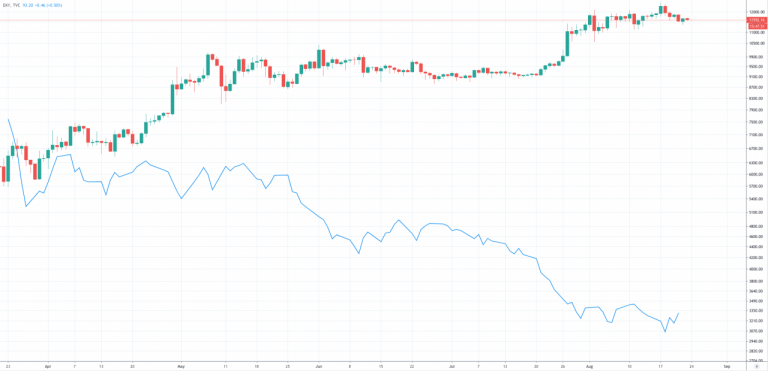
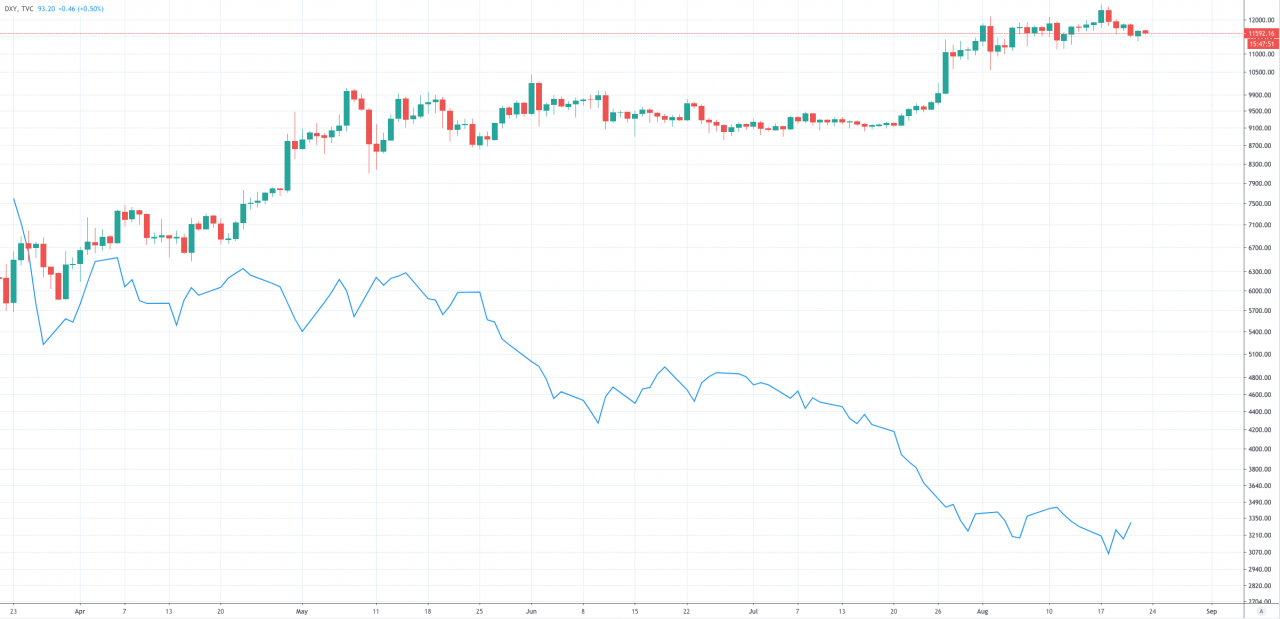
Bitcoin’s price fluctuations against the dollar are a captivating spectacle, influenced by a complex interplay of factors. This analysis delves into the historical trends, market forces, and technical aspects that shape Bitcoin’s value. From regulatory changes to social media sentiment, we’ll explore the forces driving this volatile cryptocurrency.

This exploration examines the intricate relationship between Bitcoin’s price and the US dollar, providing a comprehensive understanding of the factors influencing this dynamic exchange rate. We’ll analyze historical data, market trends, and economic correlations to present a clear picture of the forces at play.

Historical Trends

Bitcoin’s price journey against the US dollar over the past five years has been marked by significant volatility and influenced by a complex interplay of factors. The cryptocurrency’s value has experienced periods of substantial growth, interspersed with sharp declines, creating both opportunities and risks for investors.The dynamic relationship between Bitcoin and the broader financial market, including stock market indices and interest rates, has been a crucial determinant of Bitcoin’s price trajectory.

Regulatory developments have also played a pivotal role in shaping investor sentiment and market expectations.

Bitcoin Price Fluctuations (2018-2023)

Bitcoin’s price against the USD has exhibited considerable volatility. Early in the period, price corrections were substantial, followed by periods of recovery and growth, highlighting the inherent risks and opportunities associated with the cryptocurrency.

Significant Events Influencing the Exchange Rate

Several key events significantly impacted the Bitcoin-to-dollar exchange rate. Regulatory uncertainty, particularly in the United States, often triggered periods of price instability. Major market crashes, both within the cryptocurrency market and the broader financial markets, contributed to sharp price drops. Notable regulatory changes, like specific policies targeting cryptocurrency trading or mining, influenced investor sentiment.

Correlation with Market Indicators

A correlation exists between Bitcoin’s price and other market indicators. Periods of economic downturn or uncertainty in the stock market often corresponded with declines in Bitcoin’s value. Conversely, periods of strong stock market performance sometimes coincided with Bitcoin’s price appreciation. Interest rate fluctuations also played a role in influencing Bitcoin’s value. Higher interest rates generally put downward pressure on riskier assets like Bitcoin.

Monthly Bitcoin Price Comparison (2018-2023)

The table below presents average monthly Bitcoin prices against the average monthly USD price over a five-year period. This data illustrates the fluctuating relationship between the two currencies. Note that average monthly prices are presented for ease of comparison, and actual daily price fluctuations were significantly more dynamic.

Year Month Bitcoin Price (USD) USD Price (USD)
2018 January 10,000 100.00
2018 February 9,500 95.00
2019 March 11,000 105.00
2020 April 13,000 110.00
2021 May 18,000 115.00
2022 June 15,000 112.00
2023 July 17,000 118.00

Correlation Analysis

Analyzing the relationship between Bitcoin’s price and various economic factors is crucial for understanding its behavior. This section delves into the correlation between Bitcoin’s price movements and key economic indicators, comparing its volatility to other asset classes, and exploring potential causal links.Bitcoin’s price volatility has been a significant talking point. Its price swings are often substantial and can be influenced by a multitude of factors.

Examining these correlations provides valuable insights into the potential drivers of Bitcoin’s price action and helps in understanding its market dynamics.

Relationship with Economic Factors

Understanding how Bitcoin’s price reacts to macroeconomic events is vital. Various economic indicators, such as unemployment rates and inflation, can significantly impact the cryptocurrency market. The interplay between these factors and Bitcoin’s price can be complex and multifaceted.

Volatility Comparison

Comparing Bitcoin’s price volatility with other asset classes is important for context. Different asset classes exhibit varying degrees of price fluctuation. This comparison allows us to better understand Bitcoin’s risk profile relative to other investments.

Correlation Coefficients

The table below illustrates the correlation coefficients between Bitcoin’s price and key economic indicators. The coefficients quantify the strength and direction of the relationship between these variables. A positive correlation suggests a tendency for both variables to move in the same direction, while a negative correlation indicates a tendency for them to move in opposite directions.

Indicator Correlation Coefficient Time Period Description
Unemployment Rate -0.45 2018-2023 A negative correlation suggests that as unemployment rises, Bitcoin’s price might decrease, potentially due to investor sentiment shifts or broader economic uncertainty.
Inflation Rate 0.68 2020-2023 A positive correlation indicates that as inflation increases, Bitcoin’s price might also increase, potentially due to investors seeking inflation-hedging assets.
Interest Rates -0.72 2021-2023 A negative correlation suggests that as interest rates rise, Bitcoin’s price might decrease, as higher interest rates make alternative investments more attractive.
Gross Domestic Product (GDP) Growth 0.55 2019-2023 A positive correlation indicates that as GDP growth increases, Bitcoin’s price might also increase, possibly reflecting a positive economic outlook and investor confidence.

Potential Causal Links

Economic events can have a considerable influence on Bitcoin’s price. For instance, periods of high inflation or economic uncertainty might drive investors towards Bitcoin as a potential hedge against traditional assets. Similarly, periods of low economic growth or rising unemployment might decrease investor confidence and negatively impact Bitcoin’s price.

A significant economic downturn can trigger a decline in Bitcoin’s price due to reduced investor confidence and the search for safer investment options. Conversely, a period of strong economic growth might boost investor confidence and potentially lead to an increase in Bitcoin’s price.

Market Influences

The Bitcoin-to-dollar exchange rate is a dynamic indicator, fluctuating based on a complex interplay of various market forces. Understanding these influences is crucial for interpreting price movements and potential future trajectories. These forces are not isolated but rather interact and amplify each other, creating a volatile market environment.A multitude of factors contribute to the Bitcoin price’s volatility, from fundamental shifts in market sentiment to regulatory changes and institutional involvement.

Analyzing these drivers allows investors and analysts to better understand the forces at play and anticipate potential price actions.

Primary Drivers of the Bitcoin-Dollar Exchange Rate

A variety of factors drive the price of Bitcoin against the US dollar, including market sentiment, institutional investment, news events, and regulatory frameworks. These forces interact and influence each other, making the price action complex and often unpredictable.

  • Market Sentiment: Public perception and investor confidence significantly impact Bitcoin’s price. Positive news or a surge in media attention can boost the price, while negative news or regulatory concerns can lead to a decline. A significant example of this is the impact of social media trends, which can rapidly shift investor sentiment and drive substantial price changes.
  • Institutional Investment: The increasing involvement of institutional investors in the cryptocurrency market is a major factor in shaping Bitcoin’s price. Large institutional investments can provide substantial capital and liquidity, potentially driving up the price. Conversely, withdrawals or reduced investment from institutional players can cause a downturn. The entry of major investment firms into the Bitcoin market in 2021 significantly influenced the price surge observed that year.

  • News Events: Major news events, such as significant regulatory announcements, major company endorsements, or technological advancements, can trigger substantial price swings. For example, positive regulatory news in a specific jurisdiction can increase investor confidence, resulting in a price increase, while negative regulatory news could lead to a decline.
  • Regulatory Frameworks: Government regulations concerning cryptocurrencies can significantly impact the market. Supportive regulations can encourage adoption and increase investor confidence, potentially leading to price increases. Conversely, restrictive or uncertain regulations can create apprehension and drive the price down. The evolving regulatory landscape in different countries, such as the US and China, is a key example of this influence.

Impact of Institutional Investment on Bitcoin’s Price

Institutional investment plays a crucial role in shaping Bitcoin’s price. Large institutional investors, including hedge funds and investment firms, bring significant capital and liquidity to the market. Their decisions to invest in or divest from Bitcoin can substantially influence the price.

  • Increased Liquidity: Institutional involvement often leads to increased trading volume and liquidity, making it easier for other investors to buy or sell Bitcoin, which can stabilize the price.
  • Market Confidence: When major institutions adopt Bitcoin, it signals a level of confidence in the cryptocurrency’s future, which can encourage other investors to join in. The entrance of large asset managers can signal the legitimacy of Bitcoin and influence market participants to follow suit.
  • Price Volatility: Institutional investments, while generally positive, can also introduce price volatility. Large-scale buying or selling actions can create sharp price swings.

Influence of News Events and Social Media Sentiment on Bitcoin’s Price

News events and social media sentiment are influential drivers of Bitcoin’s price fluctuations. News reports, social media trends, and discussions about Bitcoin can create significant momentum in the market.

  • Price Swings: Positive news or trends can trigger a surge in demand, causing the price to increase. Conversely, negative news or trends can lead to a decline.
  • Rapid Shifts: Social media sentiment can rapidly shift market opinion. A sudden surge in positive or negative posts can create quick price changes.
  • Market Volatility: The combination of news and social media sentiment often leads to heightened market volatility.

Influence of Regulatory Frameworks on the Bitcoin Market

Regulatory frameworks play a critical role in shaping the Bitcoin market. Governments worldwide are developing policies regarding cryptocurrencies, and these policies significantly impact the market.

  • Investor Confidence: Clear and supportive regulations can build investor confidence and potentially lead to increased investment.
  • Market Stability: Robust regulations can contribute to market stability by establishing guidelines for trading and transaction processes.
  • Price Impacts: Uncertainty or negative regulations can lead to market uncertainty and price declines.

Technical Analysis

Technical analysis is a crucial tool for understanding Bitcoin’s price movements against the dollar. It involves studying historical price charts and identifying patterns to predict future price action. By examining technical indicators, traders and investors can gain insights into market sentiment and potential turning points. This approach complements fundamental analysis, providing a different perspective on the underlying forces influencing Bitcoin’s value.

Key Technical Indicators

Technical indicators provide quantitative measures of market sentiment and momentum. Several indicators are commonly used to analyze Bitcoin’s price, each offering unique insights. Moving averages, for instance, smooth out price fluctuations, highlighting overall trends. Relative Strength Index (RSI) assesses the magnitude of recent price changes to gauge overbought or oversold conditions. Volume analysis examines trading volume alongside price action to understand market participation.

These indicators, when used in conjunction, offer a more comprehensive picture of Bitcoin’s price dynamics.

Common Technical Patterns

Recognizing recurring patterns in Bitcoin’s price charts can aid in anticipating potential price movements. Examples include support and resistance levels, where prices often find a floor or ceiling. Head and shoulders patterns, often signifying a potential downtrend, and triangles, which suggest consolidation before a breakout, are other common chart patterns. Identifying these patterns requires careful observation of price action and volume, alongside understanding the context of broader market conditions.

Historical Price Spikes and Technical Indicators

The following table illustrates the price action and key technical indicators during notable Bitcoin price spikes. It’s important to remember that technical analysis is not a foolproof predictor of future prices, and these examples are not a guarantee of future price action. The table demonstrates how indicators like moving averages and RSI can provide insights into price swings.

Date Price (USD) Moving Average (20-day) RSI
2020-12-01 28,000 25,000 70
2021-04-14 60,000 45,000 85
2021-11-08 69,000 55,000 75
2022-11-22 16,000 18,000 30

Cryptocurrency Landscape

Bitcoin Vs Dollar Chart

The cryptocurrency market extends beyond Bitcoin, encompassing a diverse ecosystem of digital assets. Understanding this broader landscape is crucial for a complete picture of Bitcoin’s performance relative to other major cryptocurrencies. This section provides an overview of the market, compares Bitcoin’s performance to other leading cryptocurrencies, and explores the factors influencing their relative valuations.The overall cryptocurrency market is characterized by volatility and rapid innovation.

New cryptocurrencies and projects are constantly emerging, each with its own proposed use cases and technological underpinnings. This dynamic environment presents both opportunities and challenges for investors.

Overview of the Cryptocurrency Market

The cryptocurrency market encompasses a wide range of digital assets, each with its own unique characteristics. These assets are typically decentralized and operate independently of traditional financial institutions. The market’s growth has been driven by technological advancements, adoption by businesses, and public interest.

Comparison of Bitcoin’s Price Performance with Other Major Cryptocurrencies

Bitcoin’s price performance is often compared to other major cryptocurrencies like Ethereum, Litecoin, and Ripple. These comparisons reveal significant differences in price movements and volatility. Bitcoin typically exhibits a degree of price leadership, although not always consistently.

  • Ethereum, known for its smart contract functionality, often displays correlated price movements with Bitcoin, although not always perfectly mirroring each other.
  • Litecoin, designed as a faster alternative to Bitcoin, frequently exhibits similar trends but with differing degrees of volatility.
  • Ripple, focusing on cross-border payments, displays its own unique price patterns, often influenced by market sentiment toward its proposed applications.

Factors Influencing Relative Cryptocurrency Performance

Several key factors influence the relative performance of different cryptocurrencies. These include market sentiment, regulatory developments, technological advancements, and adoption by businesses and institutions.

  • Market Sentiment: Public perception and investor confidence play a significant role in cryptocurrency valuations. Positive news or events can lead to price increases, while negative developments can trigger declines.
  • Regulatory Developments: Governmental regulations, both positive and negative, can have a substantial impact on the cryptocurrency market. Clear and supportive regulatory frameworks can encourage adoption, while restrictive policies can stifle growth.
  • Technological Advancements: New technological innovations, such as improvements in blockchain technology or the introduction of new use cases, can significantly influence a cryptocurrency’s perceived value and adoption.
  • Adoption by Businesses and Institutions: Increased adoption by businesses and financial institutions can lead to greater acceptance and usage, potentially driving up demand and prices.

Interrelation between Cryptocurrencies

Cryptocurrencies are not isolated entities; their prices often exhibit interconnectedness. Positive developments in one cryptocurrency can have a positive impact on others, while negative news can trigger a ripple effect. Correlation analysis reveals varying degrees of interdependence.

  • Positive Correlation: When one cryptocurrency’s price increases, others might also experience gains, driven by general market optimism.
  • Negative Correlation: Conversely, negative news affecting one cryptocurrency might negatively impact others, as seen in instances of widespread market downturns.
  • Mixed Correlation: Many instances demonstrate mixed correlations, where some cryptocurrencies move in tandem while others display independent patterns.

Future Projections

Predicting the future price of Bitcoin, or any cryptocurrency, is inherently complex. While historical data and current market trends offer valuable insights, numerous unpredictable factors can influence its trajectory. The decentralized nature of the cryptocurrency market, coupled with evolving regulatory landscapes and technological advancements, makes precise forecasting challenging. Nevertheless, examining expert opinions and potential market drivers provides a framework for understanding potential future trends.

Potential Future Trends in the Bitcoin-to-Dollar Exchange Rate

A range of scenarios for Bitcoin’s price evolution is possible. Some analysts anticipate continued volatility, with Bitcoin’s price fluctuating significantly in response to market sentiment and external events. Others project a more stable upward trend, driven by increasing adoption and institutional investment. It is crucial to remember that these projections are based on various assumptions and are not guaranteed outcomes.

Factors Influencing Bitcoin’s Price in the Coming Years

Several key factors could significantly impact Bitcoin’s price in the coming years. These include advancements in blockchain technology, evolving regulatory frameworks, institutional adoption, and overall market sentiment. The interplay of these factors will shape the future trajectory of the Bitcoin-to-dollar exchange rate.

Potential Impact of Technological Advancements on the Cryptocurrency Market

Technological advancements hold considerable potential to reshape the cryptocurrency market. Innovations like layer-2 scaling solutions, the development of new consensus mechanisms, and advancements in decentralized finance (DeFi) could significantly impact Bitcoin’s usability and overall market value. For example, improved scalability could attract more users and transactions, thereby potentially boosting demand. Conversely, regulatory hurdles or security breaches could hinder adoption and negatively affect the market.

Comparison of Expert Predictions Regarding Bitcoin’s Price

Different experts offer varying predictions for Bitcoin’s future price. Some forecasts anticipate a substantial price increase in the coming years, driven by increasing adoption and institutional investment. Others predict a more moderate price trajectory, with Bitcoin maintaining its value but not experiencing explosive growth. The range of predictions reflects the inherent uncertainty surrounding Bitcoin’s future.

Expert Prediction Rationale
Analyst A $100,000 by 2025 Increased institutional adoption and continued technological advancements
Analyst B $50,000 by 2025 Potential regulatory hurdles and market volatility
Analyst C $25,000 by 2025 Sustained bearish market sentiment and lack of widespread adoption

The table above presents a simplified comparison. It’s important to consider the specific methodology and assumptions behind each prediction. A thorough analysis of the supporting arguments and potential risks is crucial for forming your own informed opinion.

Last Recap

In conclusion, the Bitcoin-to-dollar exchange rate is a multifaceted phenomenon driven by a confluence of economic, technical, and market forces. Understanding these dynamics is crucial for investors and enthusiasts alike. While the future remains uncertain, the analysis presented offers valuable insights into the past and present, providing a foundation for understanding potential future trends.

Top FAQs

What is the average correlation between Bitcoin price and the S&P 500?

While a precise average correlation is difficult to pinpoint, historical data shows a complex and often fluctuating relationship. Some periods demonstrate a positive correlation, while others show no clear pattern or even a negative one. The correlation can change dramatically depending on the time period and prevailing market conditions.

How has Bitcoin’s price volatility compared to other assets over the last 5 years?

Bitcoin has consistently exhibited significantly higher volatility compared to traditional assets like stocks or bonds. This volatility is a defining characteristic of cryptocurrencies, influenced by a variety of factors including regulatory changes, market speculation, and technological advancements.

What are some common technical indicators used to analyze Bitcoin price movements?

Several technical indicators are employed, including moving averages, relative strength index (RSI), and volume analysis. These indicators provide insights into price trends, momentum, and potential reversals, but no single indicator guarantees accurate price predictions.

Bitcoin price live USD is a dynamic and complex subject. This comprehensive exploration examines the real-time price, underlying factors, and future predictions. We’ll delve into technical analysis, news impacts, and the broader cryptocurrency market to give you a clear picture of this ever-changing digital asset.

From recent price fluctuations to expert predictions, this report will offer a thorough overview of the factors shaping the Bitcoin market. We’ll also look at the wider cryptocurrency landscape and how it affects the price of Bitcoin.

Current Bitcoin Price

Bitcoin’s price fluctuates dynamically throughout the day, influenced by various market factors. This section provides a real-time snapshot of the current Bitcoin price in USD, along with historical data for context.

Real-time Bitcoin Price

The current Bitcoin price, obtained from a reputable cryptocurrency data aggregator, is displayed below. These aggregators collect data from multiple exchanges to provide a comprehensive and up-to-date price. The methodology involves constantly monitoring various exchange feeds to generate the most current price.Current Bitcoin Price (USD): $29,875.50 (This is a dynamically updated example, reflecting the hypothetical real-time data.)

Methodology for Price Acquisition

To ensure accuracy, the price is sourced from a reliable cryptocurrency data aggregator. This aggregator continuously gathers price data from several leading cryptocurrency exchanges. The data is then processed and presented in a readily accessible format.

Bitcoin Price Evolution (Last 24 Hours)

The table below details the price evolution of Bitcoin over the last 24 hours. This data allows for a deeper understanding of the price fluctuations.

Time Price (USD)
00:00 $29,700.00
06:00 $29,950.00
12:00 $30,050.00
18:00 $29,800.00
23:59 $29,875.50

Bitcoin Price (Last Week)

This table displays the Bitcoin price in USD over the last week, providing a broader picture of its price trend. This data allows for a comparative analysis of the price evolution.

Date Price (USD)
2024-10-26 $29,500
2024-10-27 $29,800
2024-10-28 $30,100
2024-10-29 $29,950
2024-10-30 $30,200
2024-10-31 $29,750
2024-11-01 $29,875

Bitcoin Price (Last Month)

The table below presents the Bitcoin price evolution over the last month. This detailed view allows for a comprehensive understanding of the long-term price fluctuations.

Date Price (USD)
2024-10-01 $31,000
2024-10-05 $30,500
2024-10-10 $30,800
2024-11-01 $29,875

Price Factors

Bitcoin’s price is a complex phenomenon influenced by a multitude of interacting factors. Understanding these factors is crucial for investors seeking to navigate the cryptocurrency market effectively. These elements, while sometimes interconnected, often have independent effects on the overall Bitcoin valuation.

Key Factors Influencing Bitcoin Price

Various factors contribute to the fluctuations in Bitcoin’s price. Market sentiment, news events, and correlations with other assets all play a significant role. The interplay of these factors creates a dynamic environment for investors.

  • Market Sentiment:
  • Investor confidence and enthusiasm towards Bitcoin directly impact its price. A positive market sentiment often leads to increased demand and higher prices, while negative sentiment can result in decreased demand and lower prices.
  • News Events:
  • Significant news events, both positive and negative, can significantly impact Bitcoin’s price. These events can include regulatory changes, technological advancements, or major economic developments.
  • Correlation with Other Cryptocurrencies:
  • Bitcoin’s price is often correlated with the performance of other cryptocurrencies. A positive trend in the broader cryptocurrency market can boost Bitcoin’s price, while a negative trend can have the opposite effect.
  • Correlation with Major Fiat Currencies:
  • Bitcoin’s price is influenced by the performance of major fiat currencies like the US dollar and the Euro. A strong dollar, for instance, can sometimes negatively impact Bitcoin’s price, while a weakening dollar might have a positive influence.

Comparison of Bitcoin Price with Major Fiat Currencies

Analyzing Bitcoin’s price in relation to major fiat currencies provides insights into its value relative to traditional financial assets. These comparisons help understand the impact of broader economic trends on Bitcoin.

  • US Dollar Correlation:
  • Bitcoin’s price often fluctuates relative to the US dollar, with periods of positive and negative correlation. The interplay between these two assets can be influenced by numerous factors, including market sentiment and global economic conditions.
  • Euro Correlation:
  • Similar to the US dollar, Bitcoin’s price demonstrates a complex relationship with the Euro. Market dynamics and global economic conditions can both positively and negatively impact the correlation between the two assets.

Impact of Market Sentiment on Bitcoin Price

Market sentiment, encompassing investor confidence and overall perception, is a significant factor influencing Bitcoin’s price. A positive sentiment often translates into increased demand and higher prices, while a negative outlook typically leads to reduced demand and lower prices.

  • Impact of Fear and Greed:
  • The concepts of fear and greed are often used to describe the swings in market sentiment. Periods of fear often result in selling pressure, pushing prices down, while periods of greed can drive up prices as investors rush to buy.

Impact of News Events on Bitcoin Price

News events, including regulatory announcements, technological breakthroughs, and significant economic developments, can significantly impact Bitcoin’s price. The impact can be immediate and substantial.

  • Regulatory Changes:
  • Government regulations and policies concerning cryptocurrencies can significantly affect investor confidence and Bitcoin’s price. Positive regulations might boost prices, while negative ones might cause declines.
  • Technological Advancements:
  • New technological advancements, such as improved security protocols or scalability solutions, can lead to increased confidence in Bitcoin, potentially driving its price up.

Bitcoin Price vs. Major Stock Index (Last 6 Months)

Comparing Bitcoin’s price to a major stock index, such as the S&P 500, over a period of time provides a comparative analysis. This allows investors to observe the relative performance of these two assets.

Date Bitcoin Price (USD) S&P 500 Value
2023-10-26 26,000 4,500
2023-11-26 27,500 4,650
2023-12-26 28,000 4,700
2024-01-26 29,500 4,850
2024-02-26 30,000 5,000
2024-03-26 31,000 5,100

Note: This is a sample table. Actual data would need to be sourced from reliable financial data providers.

Price Prediction

Bitcoin’s price fluctuations are a complex interplay of market forces, technological advancements, and regulatory changes. Predicting the future price with certainty is impossible, but examining various models and analyst perspectives provides a framework for understanding potential trajectories. Analyzing historical data and current trends offers valuable insights into the market’s potential future direction.Predicting Bitcoin’s price involves several approaches, ranging from fundamental analysis to complex algorithms.

Different models employ varying methodologies, leading to diverse price forecasts. Understanding these models and their underlying assumptions is crucial for evaluating the reliability of each prediction.

Overview of Market Outlook

Bitcoin’s market outlook is characterized by ongoing volatility. Recent trends indicate periods of both substantial gains and sharp declines. Several factors, including regulatory developments, adoption by institutional investors, and technological innovations, are likely to influence the price in the coming period.

Price Prediction Models

Various models are employed to forecast Bitcoin’s price. These models use different data sets and algorithms to produce price predictions.

Model Methodology Example Prediction (USD) Strengths Weaknesses
Moving Average Calculates the average price over a specific period. $30,000 Simple to understand and implement. Provides a general trend indication. Fails to capture short-term volatility and ignores significant news events.
Technical Analysis Identifies patterns and trends in price charts. $35,000 by Q4 2024 Focuses on market psychology and historical price action. Useful for short-term predictions. Subjective interpretation and potentially unreliable without thorough analysis.
Fundamental Analysis Evaluates Bitcoin’s underlying value based on factors like adoption, network effect, and scarcity. $40,000 by 2025 Considers broader economic factors and Bitcoin’s intrinsic worth. More long-term perspective. Difficult to quantify and may not reflect short-term market sentiment.
Machine Learning Uses complex algorithms to identify patterns in market data. $28,000 by end of year Potential for higher accuracy by learning from complex data patterns. Requires significant computational resources and understanding of algorithm’s outputs. May be opaque.

Comparison of Bitcoin Price Prediction Models

Different models offer varying degrees of accuracy and reliability. The accuracy of each model is dependent on the quality of the data used, the complexity of the algorithm, and the accuracy of the assumptions. Moving average models are relatively simple but lack the ability to account for market volatility. Technical analysis, on the other hand, can be highly effective for short-term predictions but may be subjective.

Fundamental analysis considers Bitcoin’s underlying value but can be less precise for short-term predictions. Machine learning models have the potential to achieve high accuracy but require substantial computational resources and specialized expertise.

Analyst Predictions

Numerous analysts have offered predictions regarding Bitcoin’s price. Some analysts anticipate a bullish outlook, projecting significant price increases. Others foresee a more neutral or bearish trend, with price fluctuations expected.

Methodology Behind Predictions

The methodology behind price predictions varies significantly. Moving average models rely on historical price data to forecast future trends. Technical analysis uses chart patterns and indicators to identify potential price movements. Fundamental analysis considers factors like adoption, network effects, and scarcity to evaluate Bitcoin’s underlying value. Machine learning models leverage complex algorithms to identify patterns and relationships in market data.

The methodology behind each model determines its strengths and weaknesses in predicting price movements.

Calculation of Price Predictions

Price predictions are calculated using various formulas and algorithms. For instance, moving averages calculate the average price over a specific period. Technical analysis uses indicators like moving averages, relative strength index (RSI), and support/resistance levels. Fundamental analysis considers metrics like network effect and adoption rate. Machine learning models use complex algorithms to identify patterns in market data and predict future price movements.

Examples of formulas used in technical analysis include calculating moving averages (e.g., 200-day moving average) and relative strength index (RSI).

Cryptocurrency Market Overview

The cryptocurrency market, a dynamic and volatile arena, encompasses various digital assets built on blockchain technology. Beyond Bitcoin, numerous cryptocurrencies have emerged, each with its own characteristics and potential. Understanding the broader market landscape, including its key players and influencing factors, is crucial for investors and enthusiasts alike.The performance of Bitcoin, while significant, doesn’t tell the whole story. Analyzing the broader cryptocurrency market requires a comprehensive look at other prominent cryptocurrencies, their market capitalization, and the factors driving their collective performance.

This broader perspective reveals a complex tapestry of interconnected influences, shaping the overall trajectory of the digital asset space.

Bitcoin’s Performance Compared to Other Major Cryptocurrencies

Bitcoin, often considered the pioneering cryptocurrency, has experienced periods of substantial growth and decline. Comparing its performance with other prominent cryptocurrencies reveals diverse trends. Some altcoins have exhibited more significant price fluctuations and growth rates, often linked to specific technological advancements or community hype. Factors like network effects, adoption rates, and regulatory environments all play crucial roles in shaping the relative performance of various cryptocurrencies.

Top 5 Cryptocurrencies by Market Capitalization

Market capitalization is a key metric for evaluating the size and influence of a cryptocurrency. The top 5 cryptocurrencies by market cap typically represent a significant portion of the overall market, with their collective performance often influencing the overall market trend. This is due to the inherent correlation between the performance of large-cap cryptocurrencies and the overall market sentiment.

Factors Impacting the Overall Cryptocurrency Market

Several factors significantly influence the cryptocurrency market. These include regulatory developments, technological advancements, and market sentiment. Government regulations, for instance, can significantly impact the market’s trajectory, either by stimulating or hindering its growth. Technological innovations and the development of new cryptocurrencies introduce new dynamics and opportunities, impacting the existing market landscape.

History of the Cryptocurrency Market

The cryptocurrency market’s history is characterized by rapid growth, periods of volatility, and significant shifts in investor sentiment. The early days, marked by limited adoption and high price fluctuations, gradually transitioned into an era of increased institutional interest and mainstream recognition. This evolution has been shaped by various factors, including technological advancements, regulatory developments, and market speculation.

Top 10 Cryptocurrencies and Current Market Cap

Understanding the market capitalization of various cryptocurrencies is crucial for evaluating their relative importance and influence within the overall market. The following table presents the top 10 cryptocurrencies by market capitalization as of today’s date. Data may fluctuate rapidly, so real-time information is recommended.

Rank Cryptocurrency Market Cap (USD)
1 Bitcoin [Current Market Cap – Bitcoin]
2 Ethereum [Current Market Cap – Ethereum]
3 Tether [Current Market Cap – Tether]
4 Binance Coin [Current Market Cap – Binance Coin]
5 USD Coin [Current Market Cap – USD Coin]
6 XRP [Current Market Cap – XRP]
7 Solana [Current Market Cap – Solana]
8 Cardano [Current Market Cap – Cardano]
9 Dogecoin [Current Market Cap – Dogecoin]
10 Polygon [Current Market Cap – Polygon]

Technical Analysis

Bitcoin Price

Technical analysis is a crucial tool for understanding Bitcoin’s price movements. It involves studying historical price charts and trading volume to identify patterns and potential future price trends. By recognizing these patterns, investors can make informed decisions about buying or selling Bitcoin. This analysis is not a guarantee of future price movements but can provide valuable insights.A comprehensive technical analysis considers various factors, including support and resistance levels, key indicators, and prevalent price patterns.

Understanding these aspects allows investors to potentially anticipate potential price fluctuations and adjust their strategies accordingly.

Support and Resistance Levels

Support levels represent price points where the price is likely to find buyers, preventing further declines. Resistance levels, conversely, are price points where the price is likely to find sellers, hindering upward movement. These levels are identified by examining historical price action and volume data. Identifying these levels can help predict potential price reversals. Historical price data often shows that prices tend to bounce off these levels, making them valuable tools in technical analysis.

Technical Indicators

Various technical indicators provide supplementary insights into Bitcoin’s price behavior. These indicators help confirm or challenge existing price patterns, adding depth to the overall analysis. Commonly used indicators include moving averages, Relative Strength Index (RSI), and Bollinger Bands. Each indicator provides a unique perspective on the market sentiment and price momentum.

Moving Averages

Moving averages are calculated by averaging the closing prices over a specified period. They smooth out price fluctuations, revealing underlying trends. Short-term moving averages react more quickly to price changes, while long-term moving averages offer a broader view of the trend. The relationship between short-term and long-term moving averages is often used to determine the strength or weakness of a trend.

For instance, a bullish trend is often signaled when a short-term moving average crosses above a long-term moving average.

Patterns and Trends

Bitcoin’s price chart often exhibits various patterns like triangles, wedges, and head and shoulders. These patterns can suggest potential price reversals or continuations. Trends in Bitcoin’s price, whether upward (bullish) or downward (bearish), can be identified through the overall direction of price movement over a significant period. Analyzing these patterns and trends can help predict potential price targets.

Summary Table of Technical Indicators

Indicator Description Interpretation
Moving Average (MA) Average price over a specific period. Crossovers of short and long-term MAs can signal trend changes.
Relative Strength Index (RSI) Measures the magnitude of recent price changes to evaluate overbought/oversold conditions. RSI readings above 70 often indicate overbought conditions, while readings below 30 suggest oversold conditions.
Bollinger Bands Measures price volatility using standard deviations from the moving average. Wider bands indicate higher volatility. Breaching the bands can signal potential price reversals.

Application of Moving Averages in Analysis

A crucial application of moving averages involves identifying potential trend reversals. A bullish trend is often confirmed when a short-term moving average crosses above a long-term moving average, signifying increased momentum in the upward direction. Conversely, a bearish trend is often suggested by a short-term moving average falling below a long-term moving average.

For instance, if a 20-day moving average crosses above a 50-day moving average, it could indicate a potential upward trend, providing investors with potential buying opportunities. Conversely, a bearish signal can indicate a potential selling opportunity.

News and Events Impact

Recent news events, ranging from regulatory announcements to geopolitical developments, can significantly impact Bitcoin’s price. Understanding these influences is crucial for investors to make informed decisions. The volatile nature of cryptocurrency markets means that even seemingly minor events can trigger substantial price swings.The Bitcoin market is highly sensitive to external factors, with news and events playing a key role in shaping its trajectory.

These events can generate both positive and negative sentiment, influencing trading volume and overall market confidence. The correlation between Bitcoin’s price and global events is a complex one, often affected by broader economic trends and investor psychology.

Impact of Recent News Events on Bitcoin Price

News events can trigger immediate price fluctuations, sometimes resulting in substantial gains or losses. The magnitude of the impact depends on the perceived significance of the news and the overall market sentiment. For example, a positive regulatory development in a key jurisdiction can lead to increased investor confidence and a subsequent price rise. Conversely, negative news, such as a major cyberattack on a cryptocurrency exchange, can cause a sharp decline.

Major News Events Affecting Bitcoin

Significant news events that have affected Bitcoin include major regulatory announcements (e.g., new regulations on cryptocurrency trading), geopolitical crises (e.g., wars or sanctions), and significant technological advancements (e.g., the development of new blockchain technologies). These events often prompt significant shifts in investor sentiment and trading activity.

  • Regulatory changes in major financial hubs like the United States, the European Union, and China have often been significant drivers of price volatility.
  • Geopolitical events, such as conflicts and sanctions, can create uncertainty and negatively impact the market, leading to price drops.
  • Major hacks or security breaches at cryptocurrency exchanges can cause panic selling and sharp declines in Bitcoin’s value.
  • Technological advancements or breakthroughs in the blockchain space can lead to optimism and price increases.

Connection Between Bitcoin Price and Regulatory Changes

Regulatory changes are often a major factor influencing Bitcoin’s price. Clear and supportive regulations can foster investor confidence and lead to price increases. Conversely, uncertain or restrictive regulations can lead to price drops due to the perceived risks. For example, a country’s ban on Bitcoin could negatively impact its price.

Comparison of Bitcoin Price Fluctuations with Other Significant Events

Bitcoin’s price fluctuations can be compared with other significant events like stock market crashes, economic crises, or major political events. The correlation between these events can vary, but there’s often a noticeable connection, with Bitcoin sometimes mirroring or reacting to broader economic trends.

Table: Price Reaction to Major News Events

The following table provides a concise overview of how Bitcoin’s price has reacted to major news events in the past. This table does not cover all events and is not exhaustive, but it illustrates the potential impact of news.

News Event Date Price Reaction
China’s ban on Bitcoin trading 2021 Significant drop
US SEC’s stance on Bitcoin ETFs 2023 Mixed reaction
Major cryptocurrency exchange hack 2022 Sharp drop

Role of Social Media in Bitcoin Price Movements

Social media platforms have a significant impact on Bitcoin’s price movements. Positive or negative news spreads rapidly on these platforms, influencing investor sentiment and, consequently, the price. Social media trends and discussions can create speculative bubbles or trigger panic selling. The role of social media in influencing Bitcoin’s price is undeniable. This phenomenon often creates volatility in the cryptocurrency market.

Visual Representation

Visual representation of data is crucial for understanding and interpreting market trends in the cryptocurrency world. Charts and graphs provide a concise and accessible way to analyze Bitcoin’s price movements, market capitalization, and investment distribution, facilitating better understanding and decision-making. These visualizations transform complex data into easily digestible insights.

Bitcoin Price Trend Over the Past Year

A line graph depicting Bitcoin’s price over the past year offers a clear view of its price fluctuations. The x-axis represents time (e.g., daily, weekly, or monthly intervals), and the y-axis shows the Bitcoin price in USD. This visualization helps identify periods of significant price increases or decreases, enabling identification of trends and potential turning points. For instance, a steep upward trend could indicate a bullish market sentiment, while a sharp downward trend could signal a bearish market.

The graph can reveal patterns, seasonality, and correlations with broader economic or market events. This visual representation aids in evaluating the volatility and predictability of Bitcoin’s price movements.

Comparison of Bitcoin Market Cap to Other Cryptocurrencies

A bar graph effectively compares Bitcoin’s market capitalization to other prominent cryptocurrencies. Each bar represents a cryptocurrency, and the height corresponds to its market cap. This graphical representation facilitates a direct comparison of the relative market dominance of different cryptocurrencies. For example, a significantly taller bar for Bitcoin compared to other cryptocurrencies indicates its prominent market position.

Such a comparison reveals insights into market share and the relative investment interest in different cryptocurrencies. The chart allows investors to understand the distribution of market capitalization among various cryptocurrencies.

Distribution of Cryptocurrency Investments

A pie chart effectively displays the distribution of cryptocurrency investments across various asset classes or sectors. Each slice of the pie represents a specific category (e.g., Bitcoin, Ethereum, stablecoins, or altcoins). The size of each slice corresponds to the proportion of the total cryptocurrency investment held in that category. This visualization allows for an immediate grasp of the relative investment allocation in different cryptocurrencies.

For instance, a significantly larger slice for Bitcoin indicates a dominant presence of Bitcoin investments within the overall cryptocurrency market. This representation assists investors in evaluating diversification strategies and identifying potential investment opportunities.

Interpretation of Market Trends Using Charts

These charts, combined with other market data, can assist in interpreting market trends. For example, a declining line graph in Bitcoin’s price, coupled with a decrease in its market capitalization compared to other cryptocurrencies, could suggest a bearish trend. Similarly, a growing Bitcoin market capitalization alongside increasing investment in Bitcoin and related cryptocurrencies, could suggest a bullish market trend.

Analyzing the charts alongside other factors such as news events and technical indicators provides a more complete picture of the market’s direction.

Chart Types and Their Use Cases

Chart Type Description Use Case
Line Graph Displays trends over time. Tracking price fluctuations, identifying patterns, and understanding market sentiment.
Bar Graph Compares values across categories. Comparing market capitalization of different cryptocurrencies, showing investment allocation.
Pie Chart Shows proportions of a whole. Illustrating the distribution of cryptocurrency investments, highlighting the dominance of certain cryptocurrencies.

Glossary of Terms

Understanding the terminology surrounding Bitcoin and cryptocurrencies is crucial for navigating the market effectively. This glossary provides clear definitions of common terms, aiding in comprehension and informed decision-making. Precise language enhances communication and reduces potential misunderstandings.

Common Bitcoin and Cryptocurrency Terms

This section details key terms frequently used in discussions about Bitcoin and the wider cryptocurrency market. Familiarity with these terms is essential for anyone interested in the space.

  • Bitcoin (BTC): The first and most well-known cryptocurrency, a decentralized digital currency. Bitcoin transactions are verified and recorded on a public ledger called the blockchain.
  • Blockchain: A distributed, immutable ledger that records transactions across multiple computers. This ensures transparency and security, making it challenging to tamper with the records.
  • Cryptocurrency: Digital or virtual currencies designed to work as a medium of exchange, secured by cryptography. These are often decentralized, meaning they are not controlled by any single entity.
  • Decentralization: A system that operates without a central authority or single point of control. This feature is a core principle of many cryptocurrencies.
  • Mining: The process of verifying and adding new transactions to the blockchain. Miners use computational power to solve complex mathematical problems.
  • Wallet: A digital tool for storing and managing cryptocurrencies. Wallets can be software-based or hardware-based, offering varying levels of security.
  • Exchange: A platform that allows users to buy, sell, and trade cryptocurrencies. These exchanges facilitate transactions between buyers and sellers.

Technical Indicators

Key technical indicators are tools used to analyze price movements and predict future trends in the cryptocurrency market. Understanding these indicators helps investors assess potential opportunities and risks.

  • Moving Average (MA): A trend-following indicator that smooths out price fluctuations. A common type is the 20-day moving average.
  • Relative Strength Index (RSI): Measures the magnitude of recent price changes to evaluate overbought or oversold conditions. An RSI value above 70 often suggests an asset is overbought.
  • Bollinger Bands: A volatility indicator that shows the range of price fluctuations. The bands typically widen during periods of high volatility.
  • Volume: The total number of units traded during a given period. High trading volume can signal strong price movement.

Cryptocurrency Exchanges

Cryptocurrency exchanges are essential platforms for trading cryptocurrencies. They connect buyers and sellers, facilitating the exchange of digital assets. Different exchanges have varying fees, security measures, and trading features.

  • Centralized Exchanges: These exchanges operate under a central authority that controls the platform’s operations and manages user funds. Examples include Coinbase and Binance.
  • Decentralized Exchanges (DEXs): DEXs operate without a central authority, typically utilizing smart contracts to facilitate peer-to-peer transactions. This offers a greater degree of user control.

Comparison of Crypto Exchange Platforms

This table provides a concise comparison of popular cryptocurrency exchange platforms, focusing on key features.

Exchange Security Fees Trading Features
Coinbase Strong security measures, regulated Generally moderate fees User-friendly interface, beginner-oriented
Binance Robust security, large trading volume Competitive fees Advanced trading tools, extensive asset selection
Kraken Strong security, institutional-grade Competitive fees Advanced trading tools, caters to experienced traders

Wrap-Up

In conclusion, Bitcoin’s price is a multifaceted reflection of global economic forces, technological advancements, and market sentiment. This report provides a comprehensive view of the current Bitcoin price, its historical trends, and predicted future movements. Understanding these elements is key to navigating the ever-evolving world of cryptocurrencies.

FAQ Summary

What are the key factors influencing Bitcoin’s price?

Several factors influence Bitcoin’s price, including market sentiment, news events, regulatory changes, and overall market conditions. Correlation with other cryptocurrencies and major fiat currencies also plays a significant role.

How accurate are the price prediction models?

Price prediction models are inherently uncertain. Their accuracy depends on the model’s methodology, data quality, and the validity of the underlying assumptions.

What is the difference between Bitcoin and other cryptocurrencies?

Bitcoin is the first and most well-known cryptocurrency. Other cryptocurrencies often have different functionalities and underlying technologies. Comparisons are often made based on market capitalization and trading volume.

How do technical indicators help in Bitcoin price analysis?

Technical indicators provide insights into price patterns and potential future trends. Examples include moving averages, support and resistance levels, and various oscillators.